
eCommerce · Published
What is product photography?
A plain-language definition of product photography for ecommerce catalogs: what it covers, how it differs from lifestyle work, and what to prepare before a studio session.
By Sepideh Maleki, Photographer and studio owner

Product photography is commercial photography made to show a product clearly for selling, documenting, or listing it. For ecommerce teams, that usually means controlled lighting, a stable background, honest color, and a set of views buyers can compare across SKUs—not a single pretty picture.
This article explains the job of product photography, how catalog and lifestyle work differ, and what to prepare before you brief Coconut’s product photography service. It does not claim sales results, rankings, or marketplace approval.
What product photography is trying to do
At its core, product photography answers practical questions: What does the item look like? What size and shape is it? What materials and finishes are visible? How does it compare to the next colorway or size? Good catalog images make those answers easy to read on a phone grid and on a desktop PDP.
Lighting, background, focus, angle, and retouching all serve that readability. They are tools, not decoration for their own sake.
Catalog photography vs lifestyle photography
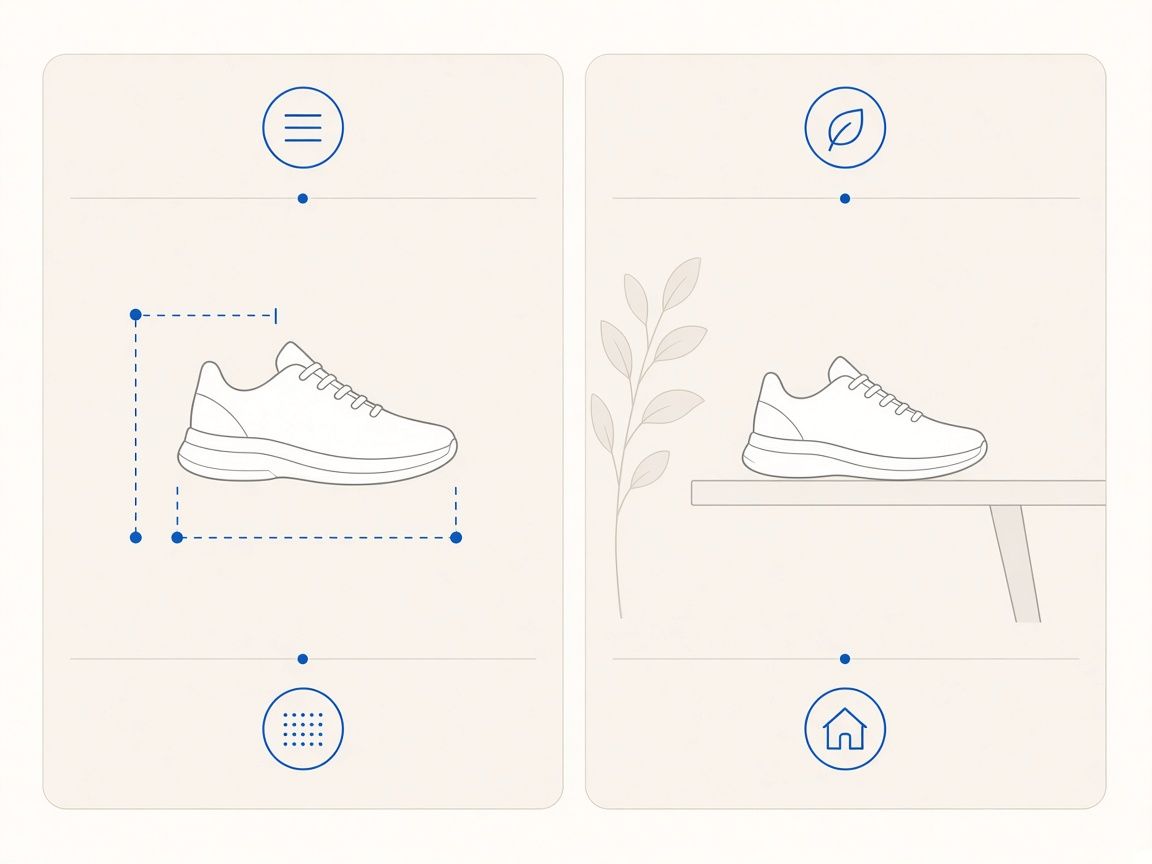
Catalog (or packshot) work prioritizes consistency: same crop rules, same background treatment, repeatable angles across a list. Lifestyle work places the product in a scene or with a person to show context and use. Many brands need both, but they are different briefs. Mixing them without a plan makes comparison shopping harder.
- Catalog: comparable SKUs, clean backgrounds, locked framing rules
- Lifestyle: context, scale, and use—often fewer SKUs per setup
- Detail/macro: materials, labels, hardware, print quality
Common views in a product set
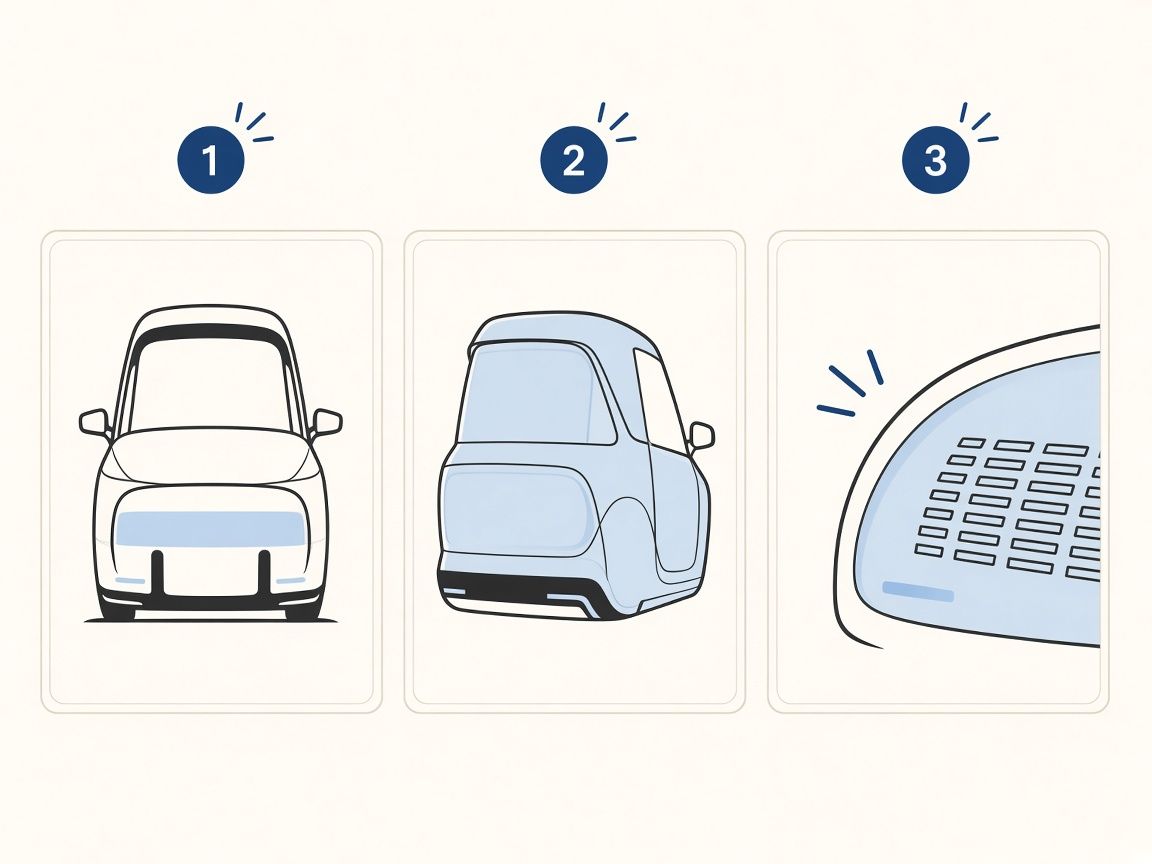
A basic set often includes a hero angle, a back or alternate side, and one detail. Apparel adds presentation choices such as flat lay, ghost mannequin, or on-body. Marketplace listings may also need channel-specific crops. Amazon main and secondary planning is covered in Amazon image requirements.
What you prepare before the camera
The useful work starts before lights. Label SKUs, decide required views, note materials that reflect or crease, and send reference frames that show framing—not outcome claims. For apparel-specific prep, see 12 helpful tips for clothing photography.
- Product list with style, SKU, size, and colorway
- Required views and crop targets per channel
- Background treatment (white, soft neutral, transparent)
- Known issues: scuffs, spare parts, delicate finishes
- Reference images for angle and crop only
When teams hire a studio
In-house setups can work for small, infrequent shoots with stable rules. Teams often bring in a studio when catalog volume grows, materials get difficult, or multi-channel crops and retouching need a defined path. Operational reasons for that choice are outlined in 6 practical reasons to use professional product photography.
How Coconut approaches catalog work
Coconut Product Photography focuses on planned catalog sessions: clear briefs, consistent framing, and delivery scoped to what you asked for. Apparel collections may use clothing photography; marketplace-heavy lists may route through Amazon product photography.
If you already have a product list, views, and references, you can start a project. Send the brief and timing; we will review the request and follow up with questions needed for an estimate.
Related services
Product photography
The goal is a complete, usable image set that makes products easy to compare without flattening the character of the brand.
Explore services
Related articles
Start a project
Ready to plan the image set?
Send the product list, required views, intended sales channels, references, and timing. We will review the request and follow up with any questions needed to prepare an estimate.