
eCommerce · Published
6 practical reasons to use professional product photography
When a professional product photography workflow helps: consistent catalogs, clearer briefs, multi-channel crops, retouching control, and fewer reshoot surprises—without outcome promises.
By Sepideh Maleki, Photographer and studio owner
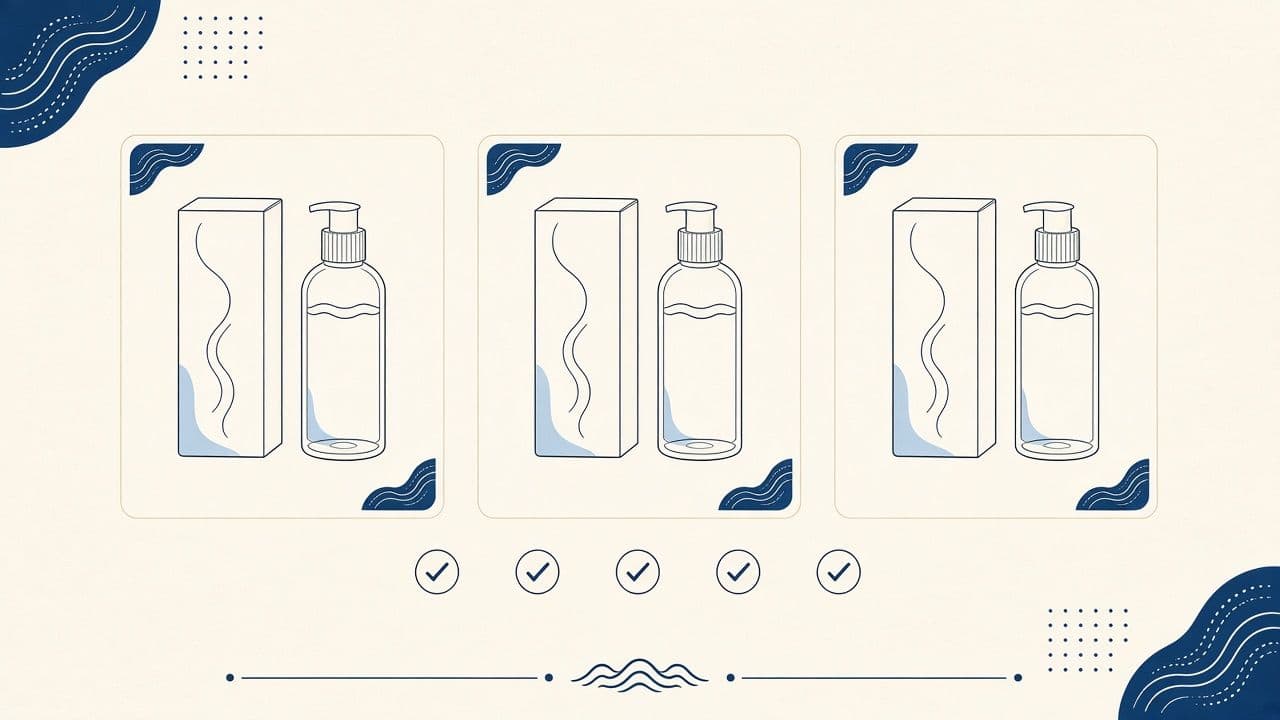
Hiring a studio is not automatically the right move for every SKU. Some teams shoot in-house successfully. Others hit a wall when catalogs grow, channels multiply, or consistency across colorways and angles starts to slip. The six reasons below are operational—about process and delivery—not promises about sales, rankings, or marketplace approval.
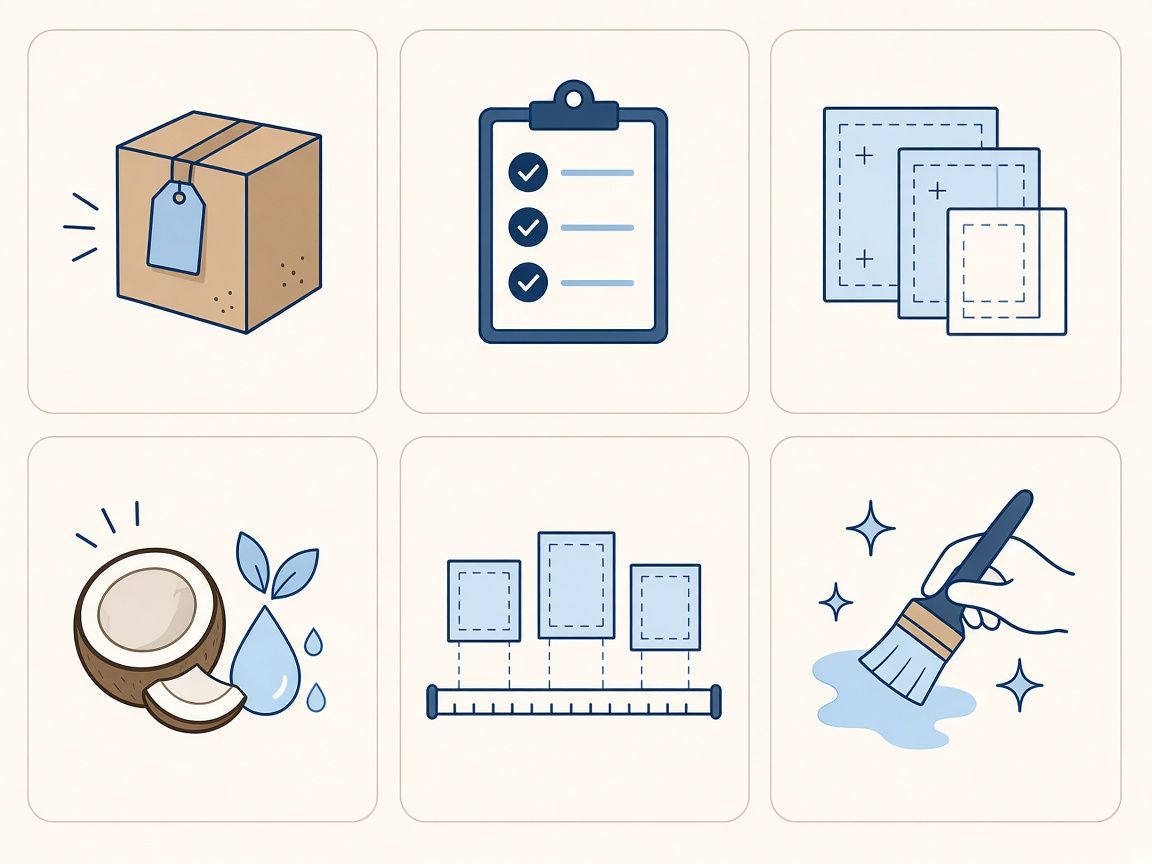
If you are still defining the basics, start with what product photography is. When you are ready to brief a session, Coconut’s product photography service is the commercial destination for catalog work.
1. Catalog consistency across SKUs and colorways
Product pages read as one brand when angle, crop, background, and shadow rules stay stable. A studio workflow is built to lock those rules and apply them across a list—not reinvent framing for every sample that arrives. That matters most when you add sizes, colorways, or companion SKUs later.
2. Prep and labeling become part of the job
Professional sessions usually force a clearer intake: SKU labels, reference frames, required views, and notes about reflections, fabrics, or missing parts. That paperwork is tedious, but it prevents the studio from guessing which navy is which and which angle is the true hero.
- Style / SKU / colorway list packed with the samples
- Required views and crop targets written before shoot day
- Known issues flagged (scuffs, spare parts, delicate finishes)
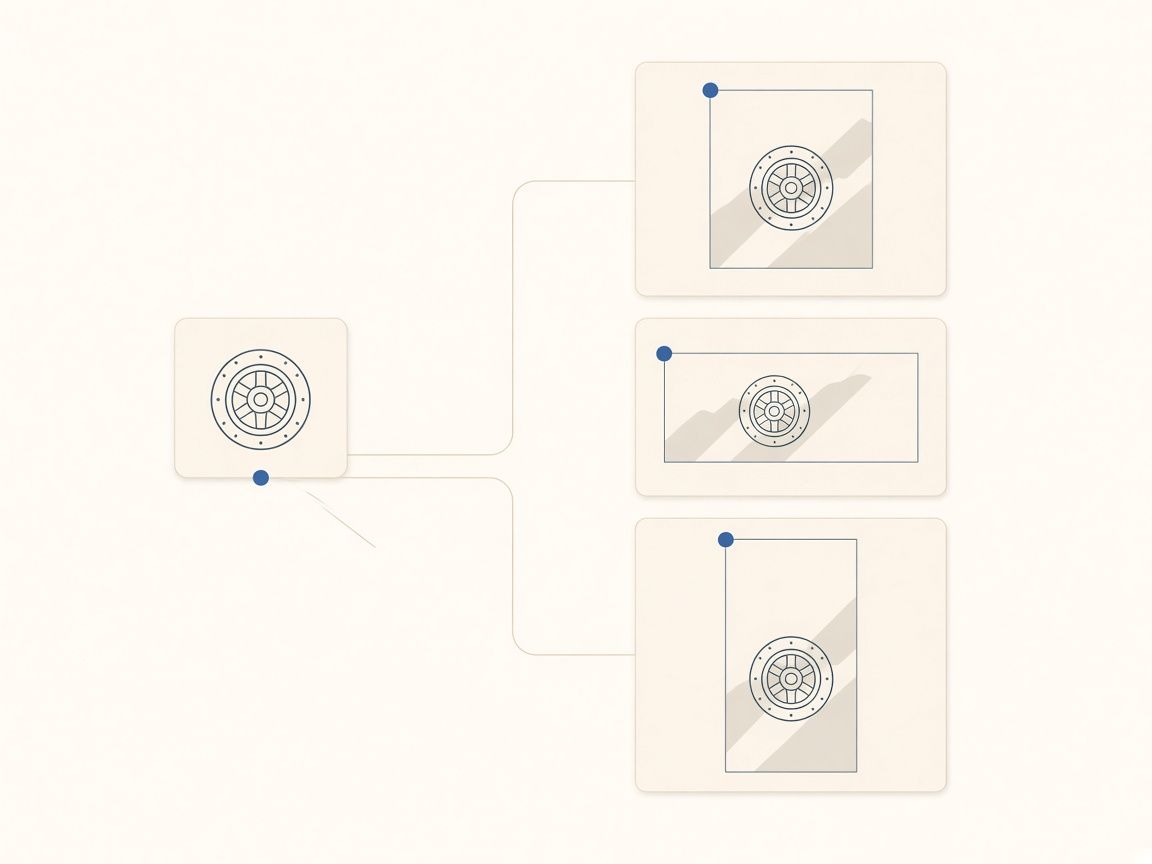
3. Multi-channel crops are planned up front
Storefront grids, marketplaces, ads, and packing inserts often need different crops from the same capture. Briefing those targets early is cheaper than asking for a second project after delivery. Amazon-specific main and secondary planning is covered separately in Amazon image requirements.
4. Lighting and surface problems get a dedicated setup
Glossy packaging, dark fabrics, chrome hardware, and clear plastics each fight the camera differently. A studio session is built around controllable light and repeatable backgrounds so those materials stay readable without improvising a new table setup for every SKU.
5. Retouching and file delivery follow a defined path
Professional delivery usually includes agreed retouching scope, naming conventions, and formats. That does not mean unlimited revisions. It means you know what “clean background,” “dust removal,” and “color-matched to sample” are supposed to cover before proofs start circulating.
6. Proof and revision ownership is clearer
Someone has to approve crops, color, and completeness. A studio brief can name the reviewer, the number of rounds, and what changes are in-scope. Clear ownership reduces last-minute thrash when files move into your PIM, Shopify theme, or marketplace tools.
When staying in-house still makes sense
If you shoot a small set infrequently, already own a stable setup, and can keep framing rules written down, in-house can work. Bring in a studio when volume, material difficulty, or channel requirements outgrow the time you can spend on consistency.
If you have a product list, views, and references ready, you can start a project with Coconut. Send the brief and timing; we will review the request and follow up with questions needed for an estimate.
Apparel-specific planning tips live in 12 helpful tips for clothing photography.
Related services
Product photography
The goal is a complete, usable image set that makes products easy to compare without flattening the character of the brand.
Explore services
Related articles
Start a project
Ready to plan the image set?
Send the product list, required views, intended sales channels, references, and timing. We will review the request and follow up with any questions needed to prepare an estimate.