Product-page context
Supporting images that show scale, use, ingredients, texture, environment, or the relationship between several items.

Lifestyle product photography
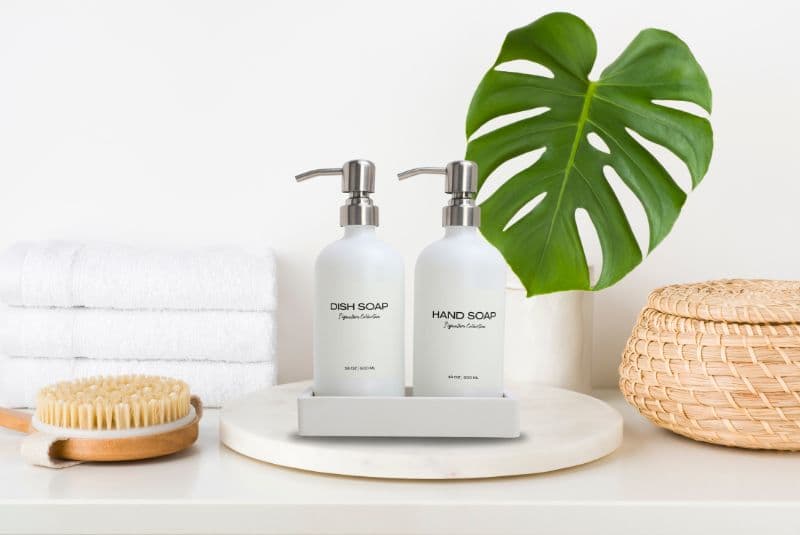
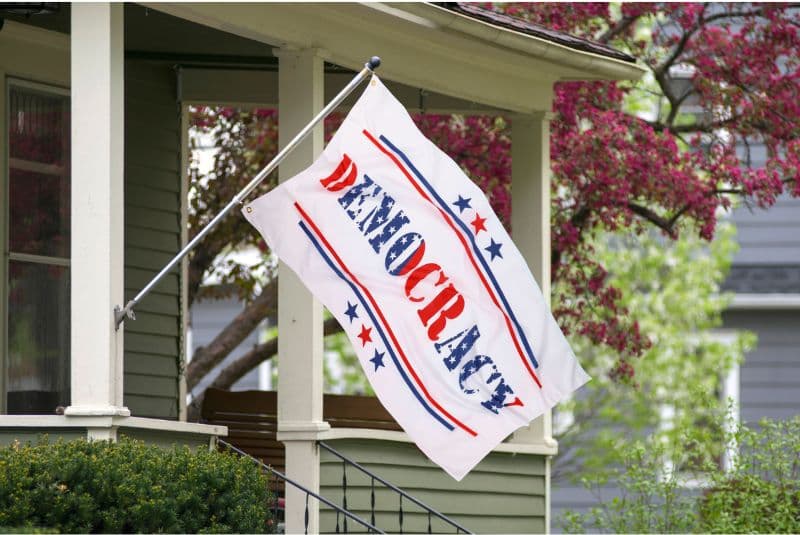
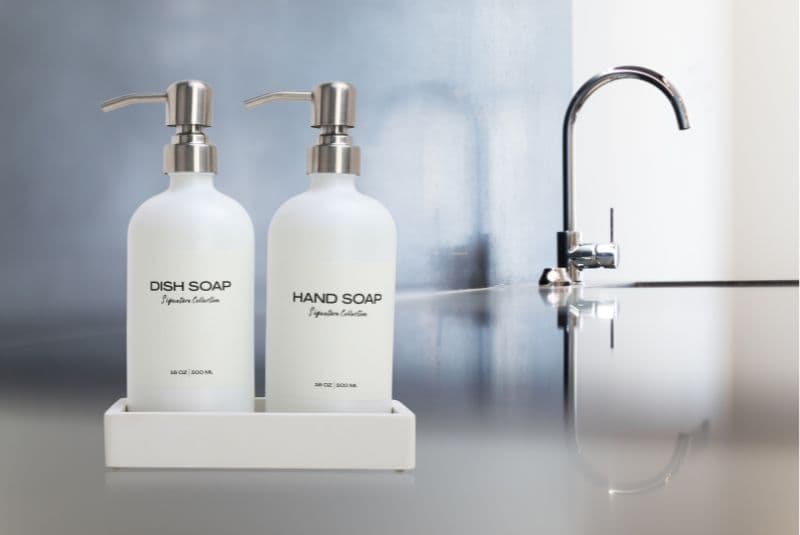
Lifestyle photography places the product in a scene that supports the brand and the way the item is used. Projects can include small studio sets, surfaces, props, hands or talent when arranged, and carefully scoped composites.
Straightforward work starts at $95 per approved final image. See pricing guidance
Best fit
Supporting images that show scale, use, ingredients, texture, environment, or the relationship between several items.
Scene-based images planned around specific crops, placements, and content needs instead of one generic composition.
Home goods, beauty, wellness, food, outdoor products, accessories, and other items whose story is clearer in context.
What you receive
References, surfaces, props, palette, light, crop, and intended use are agreed before the set is built.
Every prop and background element should support the product rather than compete with it.
The final crop ratios, dimensions, file format, naming, and usage needs are listed in the brief.
The final list is confirmed in the project brief because formats, dimensions, views, and retouching vary by project.
Related work
Prepare the project
Share the campaign goal, intended placements, required crops, reference images, brand rules, product claims, prop preferences, and usage term. Identify whether the work should be photographed as a physical set or built partly as a licensed composite.
Process
01
Confirm the visual direction, shot list, surfaces, props, crop plan, usage, estimate, and schedule.
02
Build and photograph the agreed scenes or create the scoped composite source material.
03
Review proofs in Lenso and submit one consolidated set of comments against the approved direction.
04
Receive the approved files in the agreed campaign, social, web, or print formats.
Pricing factors
From$95per approved final image
That starting point is for straightforward work. Preparation, styling, product complexity, retouching, output, and schedule can change the written estimate.
See pricing guidanceRelated services
Create a catalog that feels organized from one product to the next. Coconut photographs products for online stores, line sheets, marketplaces, packaging support, advertising, and other sales materials, with the shot list and delivery specifications agreed before production.
Photograph garments for product pages, catalogs, line sheets, and launches with a repeatable approach to shape, scale, crop, and color. Lay-flat and ghost-mannequin methods are available when they fit the garment and the intended presentation.
Build a main image and supporting views that explain the product clearly. Coconut can photograph clean product views, details, packaging, scale, and scoped lifestyle or composite images. Sellers remain responsible for confirming the current requirements for their category and listing.
Common questions
Start with the product or SKU list, variants, quantities, and the final views required for each item. Include the intended sales channels, aspect ratios, file dimensions, references, product dimensions and weight, preparation needs, deadline, shipping plan, and any special handling or retouching. The more complete the brief is, the more accurate the estimate can be.
Products should arrive complete, clean, functional, and ready to photograph unless preparation is included in the estimate. Assemble parts when practical, remove retail stickers that should not appear, protect fragile surfaces, and identify the correct label or display side. For apparel, confirm steaming, lint removal, tags, pinning, stuffing, and styling responsibilities. Include written handling instructions for fragile, reflective, perishable, valuable, regulated, or unusual items.
Yes. Clients throughout the United States can ship products after the scope, schedule, receiving details, and return plan are confirmed. Do not send products before the studio accepts the project and provides shipping instructions.
Standard retouching generally covers routine dust and lint cleanup, minor surface cleanup, color balancing, crop, and the background treatment described in the estimate. Advanced compositing, major product reconstruction, label replacement, extensive reflection work, shape changes, heavy wrinkle repair, added or removed parts, and new creative directions are additional scope unless they are specifically listed in the proposal.
Proofs are shared through Lenso when enabled for the project. The client reviews the images, leaves asset-specific comments, and submits consolidated feedback. The number of revision rounds and the difference between a correction, revision, and reshoot are defined in the proposal. A changed shot list, new angle, new product condition, or new creative direction may require a revised estimate.
Approved files are released through the delivery method listed in the proposal, usually the Lenso client portal. Lenso can provide individual downloads, a packaged delivery, or a delivery manifest when enabled. Final downloads may depend on approval and payment terms for the project.
File specifications are confirmed before production. Typical delivery may include high-resolution JPEG files, PNG files when transparency is required, and web-ready variants in the agreed pixel dimensions, aspect ratios, color profile, and naming convention. The studio does not deliver RTF image files. Raw camera files and layered working files are not included unless the proposal says they are.
Unless a written agreement says otherwise, Coconut retains copyright in the photographs and grants the client a nonexclusive commercial license to use the approved final images for the uses stated in the proposal. A copyright transfer, exclusive license, broad third-party resale right, or unusual usage arrangement must be agreed in writing.
Coconut may display approved final work for portfolio and promotional purposes unless the client and studio agree in writing to confidentiality, an embargo, or a portfolio opt-out before production. Product launch dates and unreleased information should be identified in the brief.
Start a project
Share the product, placements, references, crop list, props, usage needs, and timing. We will turn those requirements into a practical scene and shot plan.
We use optional analytics to understand which public pages are useful. Analytics do not load unless you accept. You can change this choice later through Privacy choices in the footer.